Spain’s Railway Accident Investigation Commission (CIAF) has reported initial findings from its ongoing investigation into the Adamuz derailment, indicating that a rail fracture at a welded joint likely occurred before the Iryo train involved in the accident passed the site.
CIAF investigators re-inspected the derailment origin point on 20 January, documenting the broken rail at a weld and selecting multiple rail samples for laboratory analysis. These included sections from both sides of the fracture, a detached rail fragment, samples from unaffected areas of the same rail, and a corresponding welded section from the parallel rail. All samples were removed under judicial supervision and transferred to CIAF custody in Madrid.
On-board data recorders from the Iryo train involved in the accident and from an Alvia train were also removed in coordination with the judicial police and transferred to CIAF facilities. In parallel, investigators carried out a detailed inspection of the wheels on the right-hand side of the Iryo train, supported by a photographic survey.
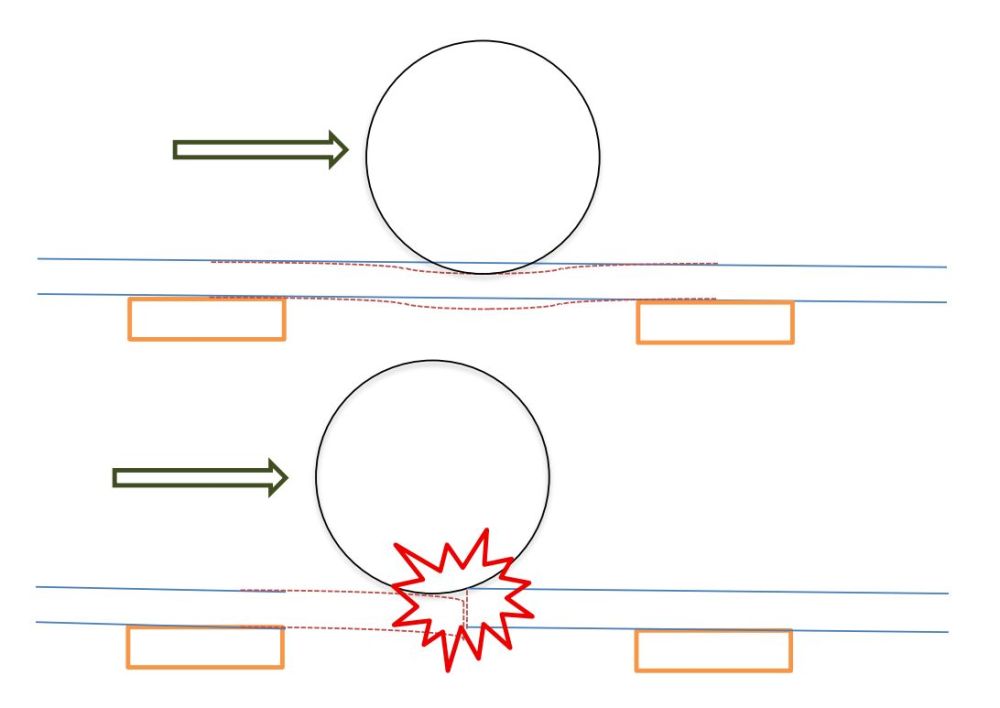
The inspection identified notches on the treads of the right wheels on odd-numbered axles of carriages two to five. According to CIAF, the geometry and uniformity of the marks on carriages two, three and four are consistent with an impact against the rail head at the point where the rail continuity was interrupted. The commission has put forward a working hypothesis in which the fractured rail created a temporary step, striking the leading wheel of each bogie as the train passed at approximately 200 km/h.
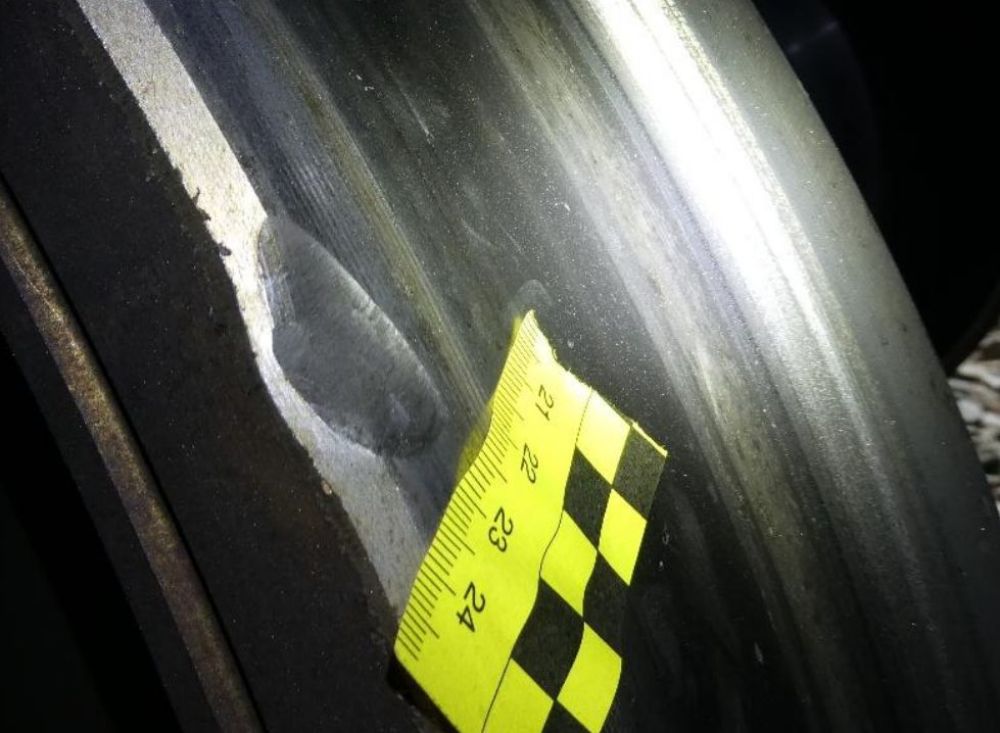
Different markings were found on the wheels of carriage five, consistent with a later phase in which the broken rail tipped outward. CIAF said this observation aligns with evidence found at the site, where the rail beyond the fracture was lying on its side with traces of wheel contact on the rail web. Carriage six was the first vehicle to derail, which CIAF considers consistent with a complete loss of rail continuity at that point.
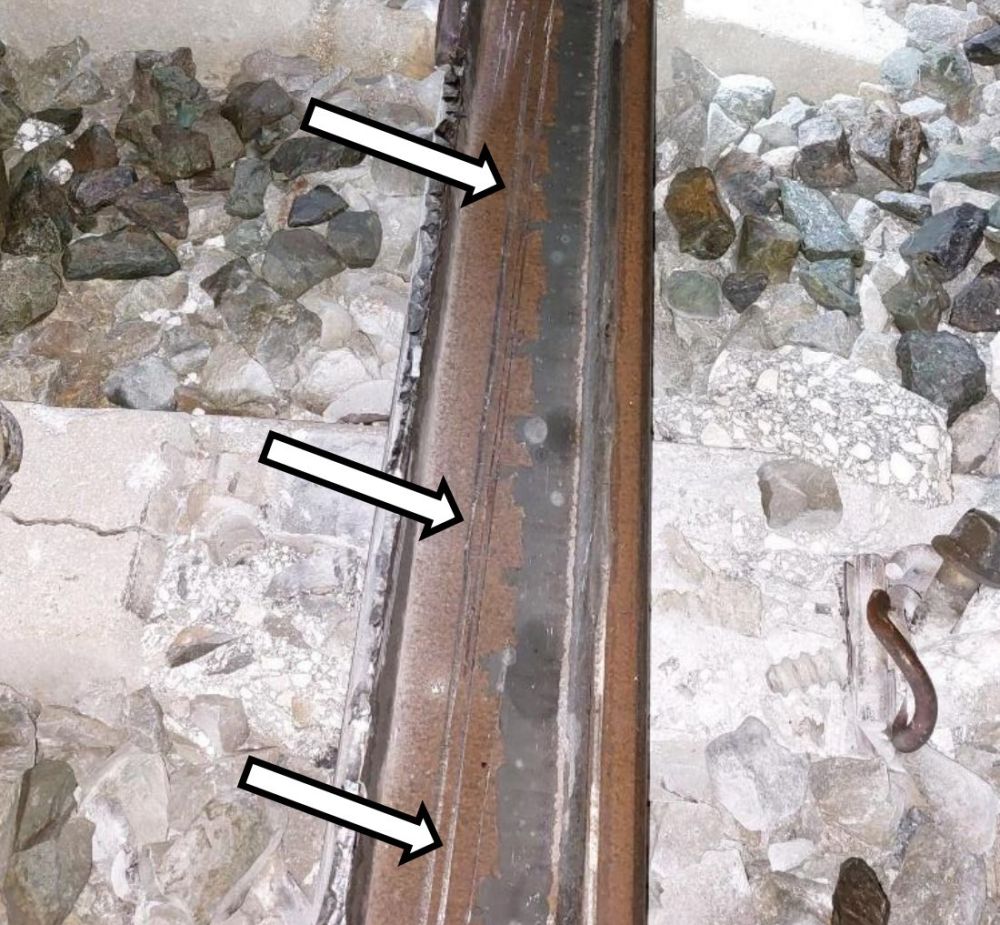
CIAF also reported finding similar wheel tread notches on three other trains that passed through the Adamuz area earlier the same day, including one Renfe Viajeros service and two Iryo services. Based on the information available so far, the commission considers it plausible that the rail fracture predated the passage of the derailed Iryo train.
The investigation will now move to laboratory analysis of the rail samples to determine the cause of the fracture. CIAF said no potential cause has been ruled out at this stage. In the coming weeks, the on-board recorders from both trains will be downloaded and analysed, after which further investigative directions may be defined.
CIAF stressed that all findings remain provisional and that only conclusions published in the final report will be considered definitive.