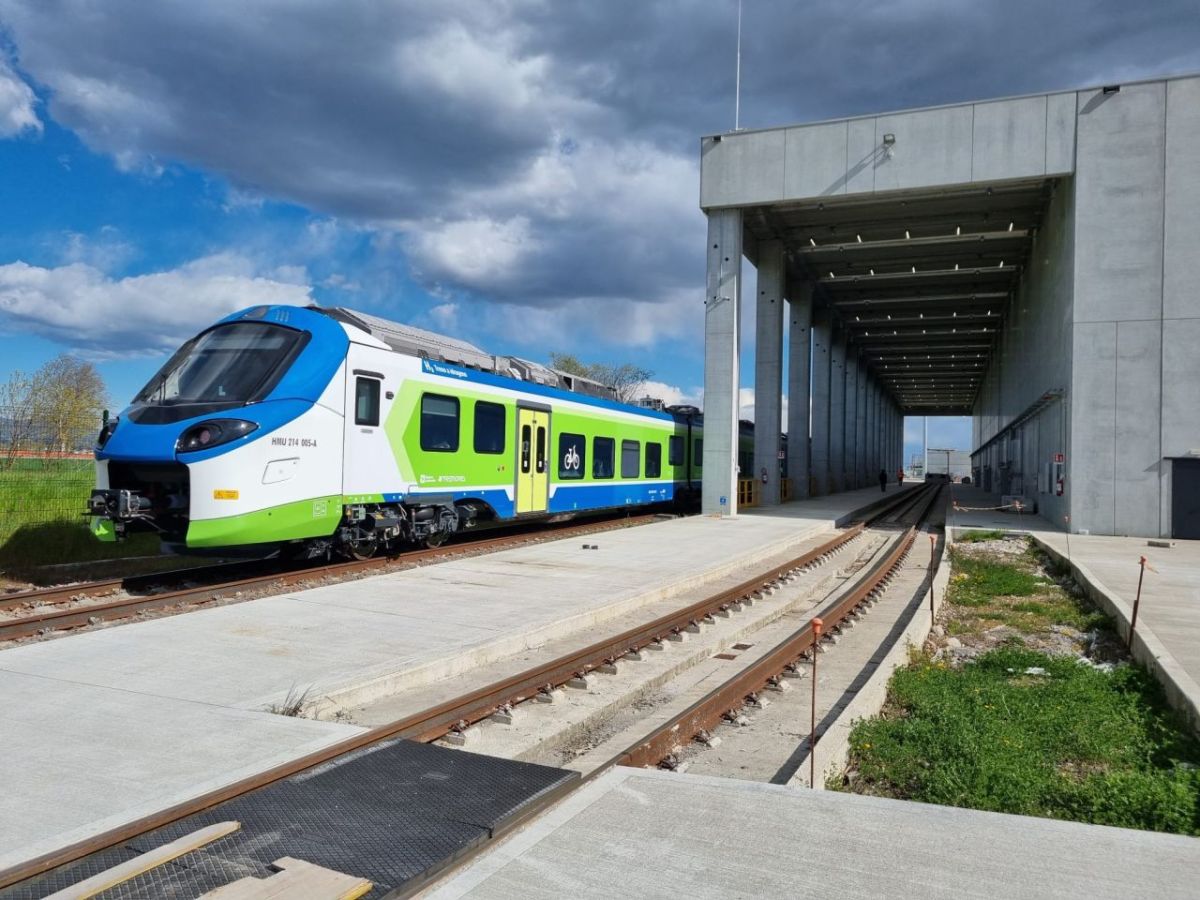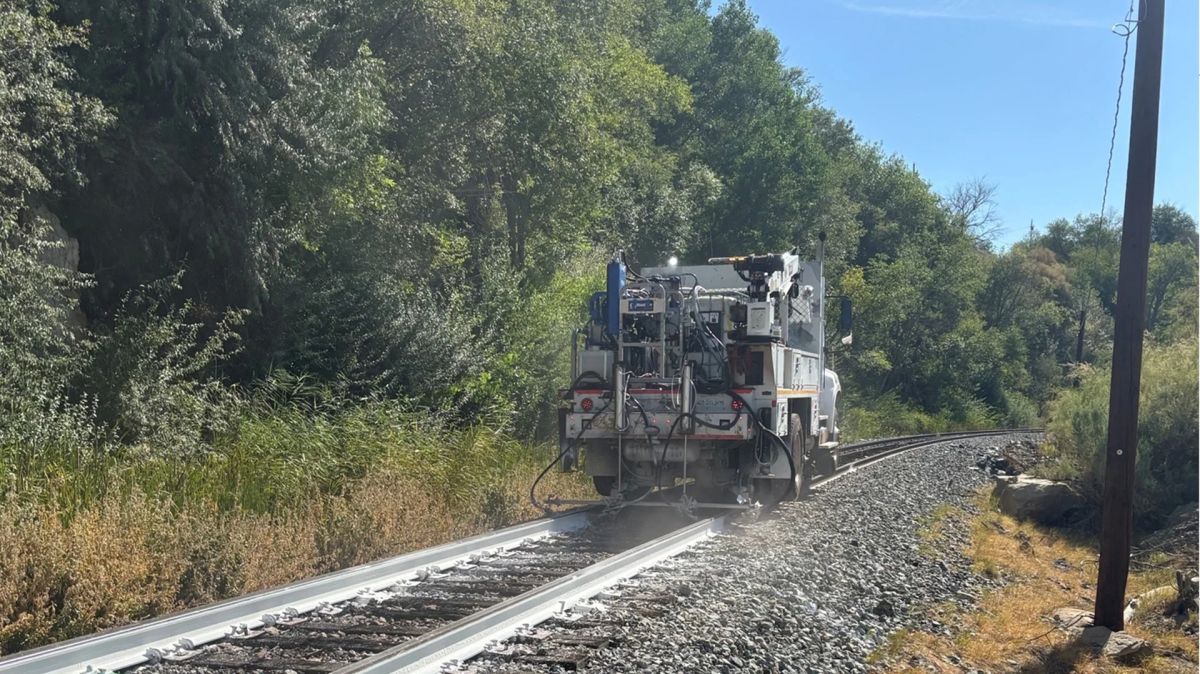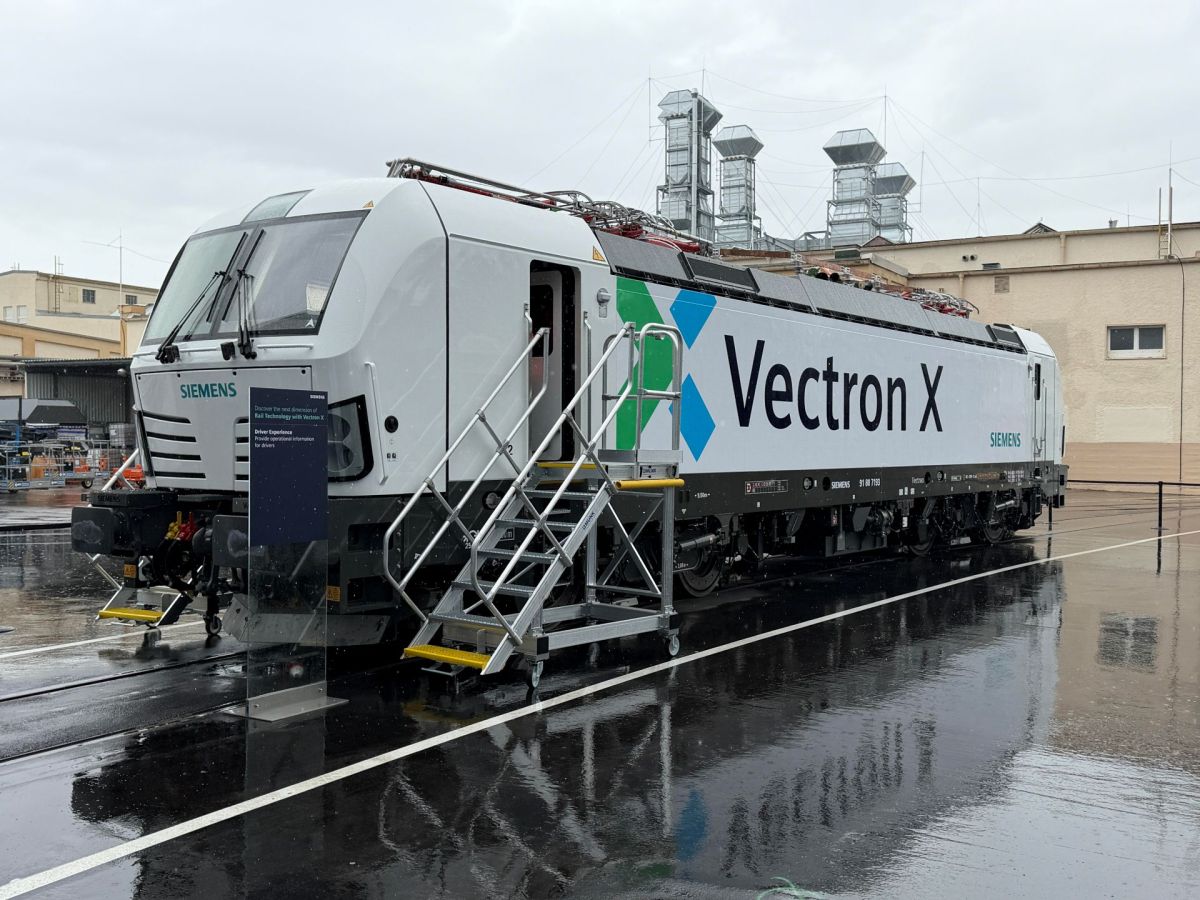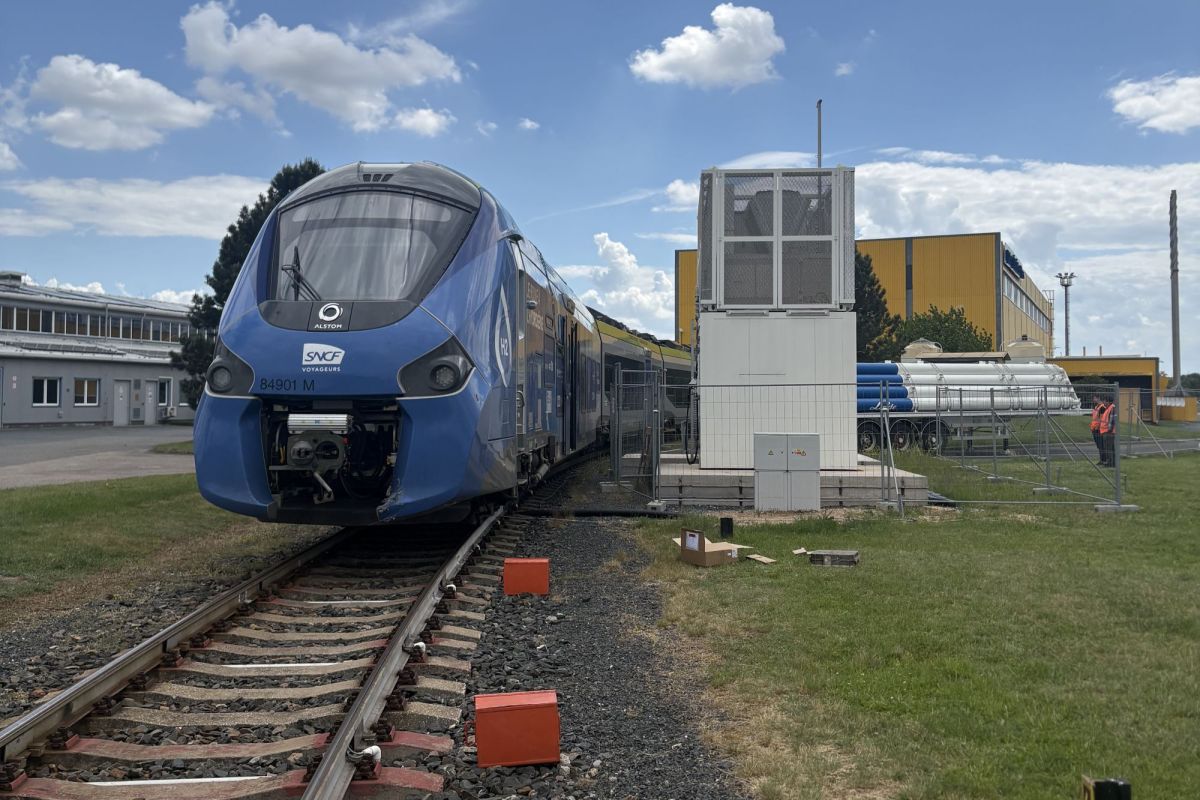
When discussing hydrogen traction, attention typically gravitates toward the train itself. For rail operators, however, the refueling station, its technical architecture, and its daily operation are just as critical. To better understand what hydrogen operations entail - not just for the rolling stock, but for the supporting infrastructure - we spoke with experts from the Výzkumný ústav železniční, a.s. (VUZ). Beyond testing and certification, VUZ specializes in technical consultancy and the assessment of emerging railway technologies.
From a technical perspective, a hydrogen train is simply a standard electric train equipped with a smaller traction battery; the only distinction lies in its power source. Instead of drawing electricity from the overhead catenary via a pantograph, it stores hydrogen in pressurized onboard tanks and converts it into electricity via an onboard fuel cell, yielding only heat and water vapor as byproducts. Everything downstream of the fuel cell relies on conventional electrical engineering principles that have been utilized for decades. The primary variable remains the hydrogen subsystem, which impacts the train, the refueling infrastructure, and the maintenance facilities.
The Role of the Refueling Station
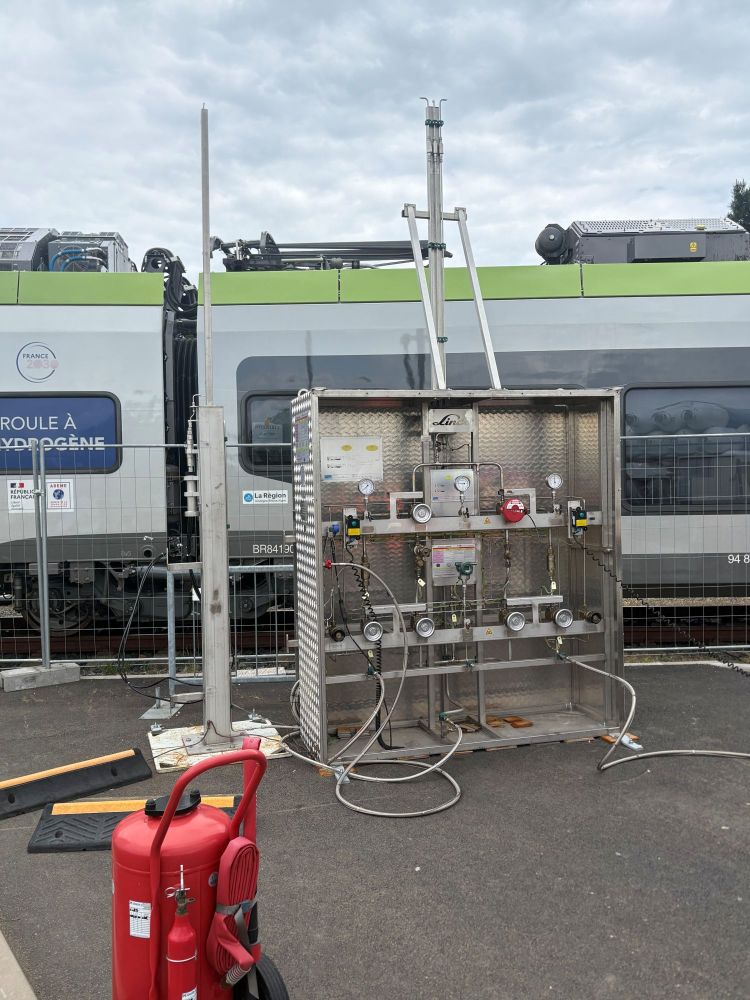
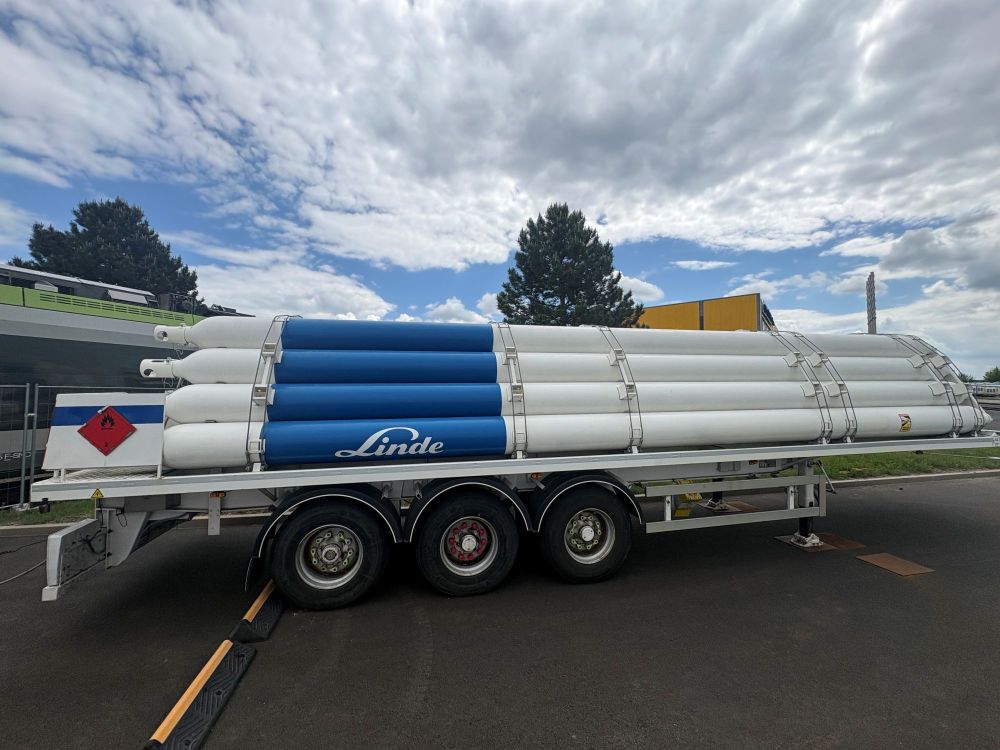
Hydrogen is typically transported to the site in tube trailers or storage vessels at pressures up to 400 bar (40 MPa), whereas a train's onboard storage tanks generally operate at a nominal pressure of 350 bar (35 MPa).
The most rudimentary refueling method is to connect the two systems and allow physics to take over: gas spontaneously flows from the area of higher pressure to the lower pressure. However, this method is only effective initially. As the pressure between the transport vessel and the onboard tank equalizes, the flow rate drops sharply and refueling stalls. The process can only be accelerated by cascading to another, fuller vessel at a higher pressure.
This passive method is highly inefficient because a substantial volume of hydrogen remains trapped in the transport vessel after pressure equalization - in extreme cases, up to half of the delivered volume.
This inefficiency is precisely why an active refueling station is required. It combines basic pressure equalization with active mechanical compression during the fueling process. This ensures that refueling remains rapid and that the supply vessel is emptied almost completely. This crucial, behind-the-scenes function directly dictates the metrics operators care about most:
- Downtime: How long the train must remain stationary during refueling.
- Utilization: What percentage of each hydrogen delivery is actually used
Why Hydrogen Refueling Does Not Resemble Diesel Bunkering
Comparisons to traditional diesel refueling are largely inaccurate. When pumping diesel, standard industrial caution suffices, and the primary environmental hazard is a localized spill resulting in soil contamination.
Hydrogen, conversely, is non-toxic but highly volatile. It forms a flammable mixture with air across an exceptionally wide range of concentrations - from roughly 4% to 75% by volume. This wide flammability limit dictates both the strict engineering design of the station and the precise operational procedures required during refueling.
The industrial use of hydrogen is not entirely unprecedented. Hydrogen has been utilized as a compressed industrial gas for nearly a century in applications ranging from metallurgy to the chemical sector, meaning its physical properties, handling risks, and characteristics are thoroughly documented.
What is entirely new is its deployment within a high-throughput railway environment, the scale of its consumption, and the requirements for localized onsite storage. Consequently, safety regulations and technical standards for hydrogen refueling are continuously evolving alongside its expanding role in the transport sector.
Actual Carbon Savings of Hydrogen Traction
The primary marketing premise for hydrogen traction is that the train emits nothing but water at the point of use. However, the data supporting this claim warrants a closer breakdown, as the overall balance is less straightforward than it initially appears.
Consider a baseline scenario featuring a train with an onboard tank capacity of 24 m³ at a nominal pressure of 350 bar. At a temperature of 15 °C, this tank holds approximately 576 kg of hydrogen. Given a lower heating value (LHV) of 33.3 kWh per kilogram, a fully fueled tank carries roughly 19.2 MWh of energy.
The critical variable is the conversion efficiency: a typical fuel cell converts only about half of this stored energy into electricity, leaving approximately 9.6 MWh available for vehicle propulsion. From the vehicle's perspective, this is identical to the 9.6 MWh that a comparable electric train would draw directly from overhead lines. The core advantage of hydrogen traction is intended to be its complete elimination of operational carbon dioxide CO2) emissions.
To accurately quantify the net CO2 savings of hydrogen propulsion compared to the diesel rolling stock it is designed to replace, one must evaluate identical payloads operating over identical routes. Because field data under identical conditions can be difficult to acquire, the following theoretical model illustrates the relationship.
If we analyze a hydrogen train with a continuous power demand of 1,000 kW and compare it to a diesel equivalent, we can calculate the analogous diesel consumption based on a standard diesel traction efficiency of 20% and a diesel heating value of 12 kWh/kg:
(9600 kWh / 20 % / 12 kWh) = 4000 kg.
Because the combustion of 1 kg of diesel fuel generates 2.64 kg of CO2, the gross operational savings realized by hydrogen traction under these parameters totals 2.64 x 4,000 kg = 10.56 tons of CO2!
The Origin of Hydrogen Matters
While the claim that a hydrogen vehicle emits only water holds true during operation, it does not account for the lifecycle of the fuel itself. Whether the entire system qualifies as low-emission depends strictly on the production pathway of the hydrogen.
Currently, the vast majority of globally produced hydrogen is not clean. The overwhelming majority is derived from fossil fuels via pathways such as:
- Steam methane reforming (SMR) of natural gas
- Partial oxidation of heavy fuel oils
- Coal gasification
Water electrolysis currently accounts for only a small fraction of global supply. Hydrogen derived from these non-renewable, fossil-intensive pathways is classified as gray hydrogen.
Domestic hydrogen production in the Czech Republic reflects this global paradigm. It is deeply integrated into existing chemical industry processes - primarily ammonia synthesis and petrochemistry - and exceeds 100,000 metric tons annually, virtually all of which is gray.
Only green hydrogen, produced via water electrolysis powered by surplus renewable energy, renders a hydrogen train genuinely low-emission. This resource will naturally be most cost-effective in regions characterized by structural power surpluses, such as coastal nations utilizing daytime solar combined with nighttime wind energy.
Central Europe faces a more challenging energy landscape; a continuous, reliable supply of cheap, surplus renewable electricity cannot be taken for granted here.
A Comprehensive Assessment
The fundamental arguments in favor of hydrogen remain valid. It is non-toxic, exceptionally light, and can be produced sustainably from surplus electricity. Crucially, it introduces electric propulsion to rail lines that lack overhead electrification and where full catenary installation is economically unfeasible.
Conducting this type of lifecycle analysis and economic evaluation was a core objective for the Railway Research Institute (VUZ, a.s.) during its involvement in regional hydrogen rail initiatives, where it assisted in identifying Czech lines suitable for hydrogen operations.
This type of assessment extends beyond the technical specifications of the rolling stock. It forms an integral part of VUZ’s broader consulting framework, which includes ESG (Environmental, Social, and Governance) evaluations and operational sustainability audits. For technologies categorized as low-emission, the total lifecycle balance is the ultimate measure of viability. This balance must encompass:
- The production origin of the hydrogen
- Transport logistics and storage methodologies
- Refueling infrastructure efficiency
- Safety protocols and operational risk management
Ultimately, hydrogen traction does not serve as a universal replacement for diesel, but rather as a targeted supplement on routes where conventional electrification is unviable. Its true environmental and economic return will always depend on the vehicle itself, the localized availability of green hydrogen, and the efficiency of the entire upstream energy supply chain.