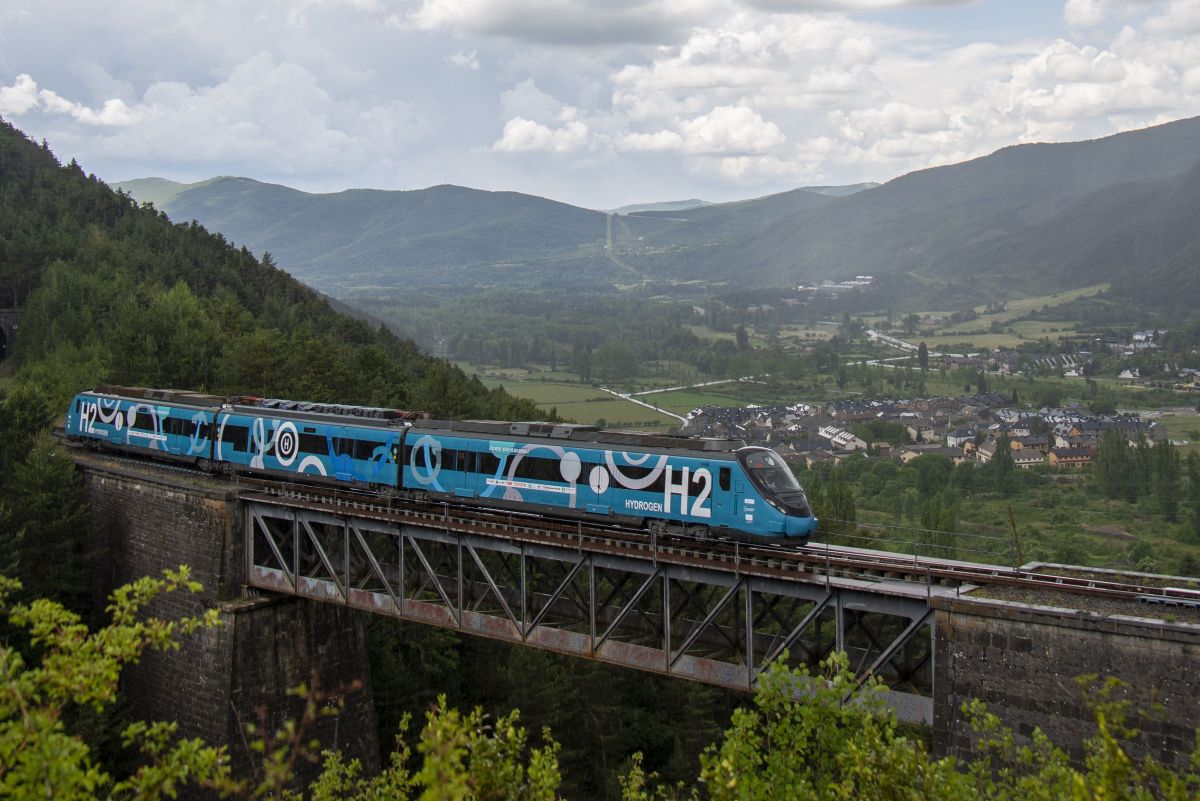
The initiative aims to identify technical and financial feasibility of deploying battery-powered, hydrogen, and hybrid train technologies in areas where full electrification is not economically viable, El Economista reports.
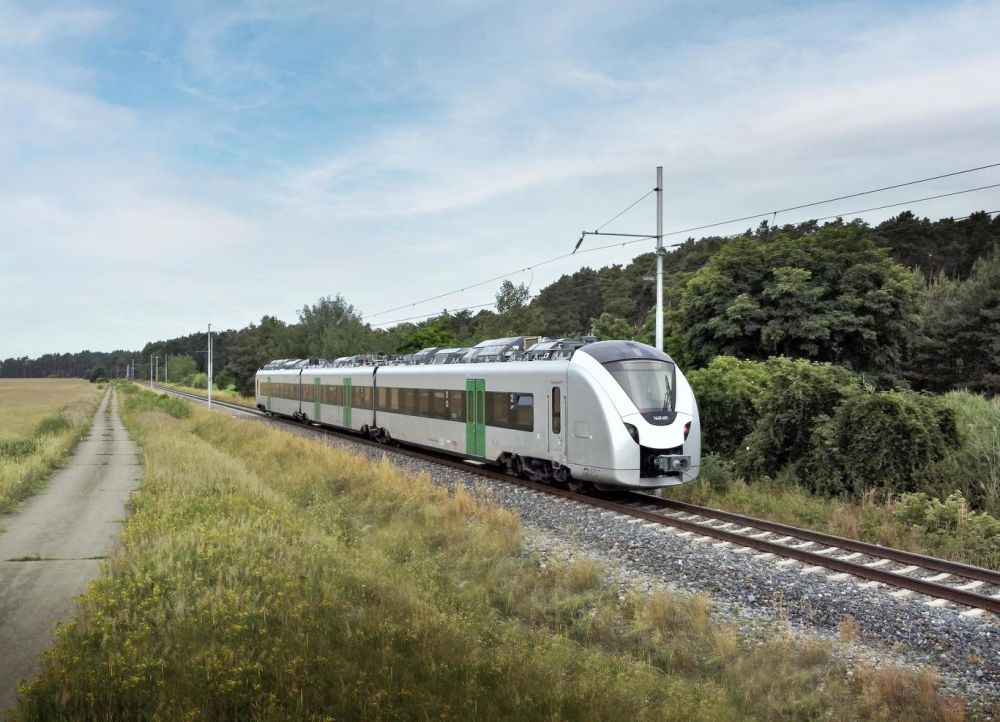
The consultation, open until 10 October 2025, forms part of the ongoing development of a new national Indicative Strategy for Electrification and Modernisation, expected to define future investment priorities from 2026 onward.
The study focuses on the following lines:
- Ávila–Salamanca: 404 passenger and 25 freight movements monthly
- Torralba–Soria: 136 passenger and 1 freight movement monthly
- Huesca–Canfranc: 103 passenger and 13 freight movements monthly
- Cáceres–Valencia de Alcántara: 26 passenger and 2 freight movements monthly
- Zafra–Huelva: 169 passenger and 192 freight movements monthly
- Mérida–Los Rosales: 122 passenger and 152 freight movements monthly
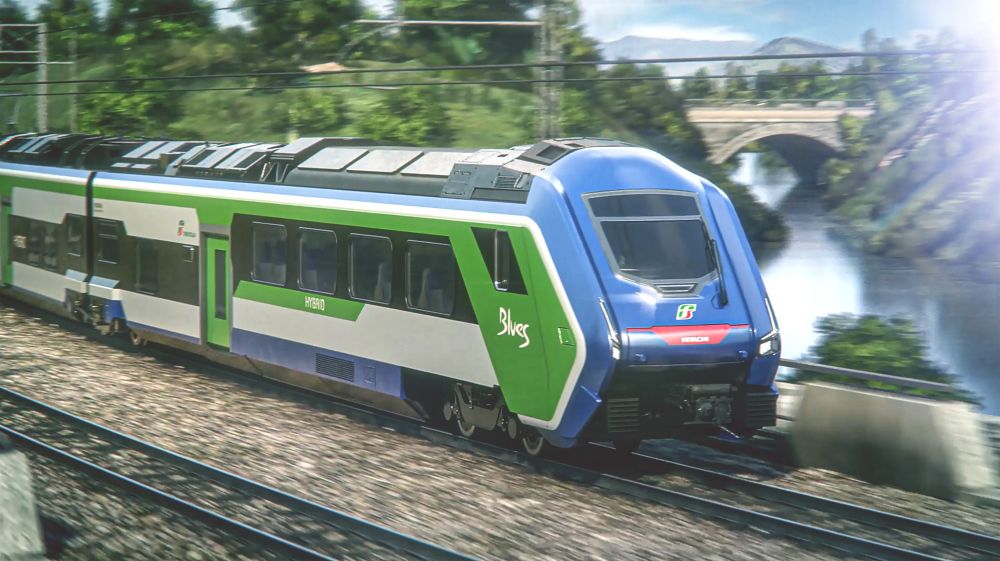
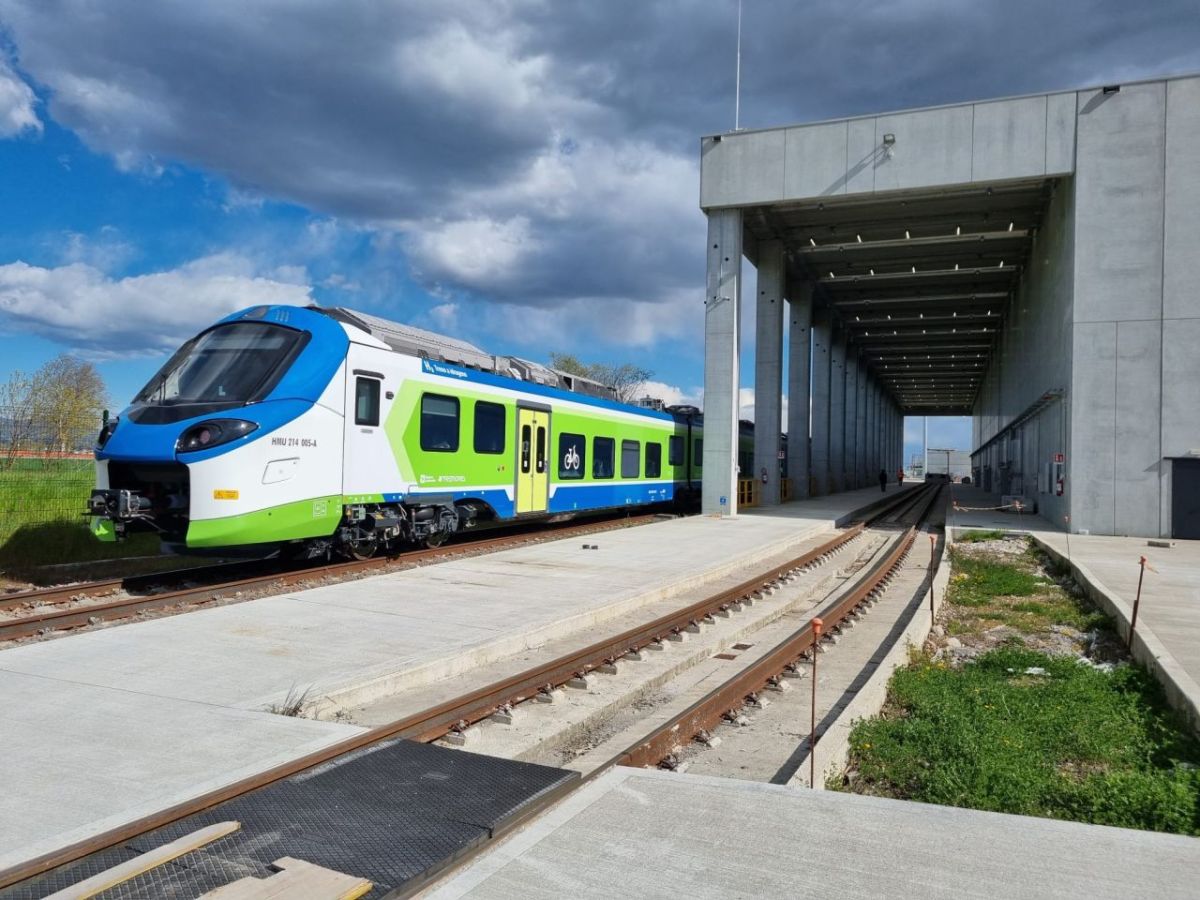
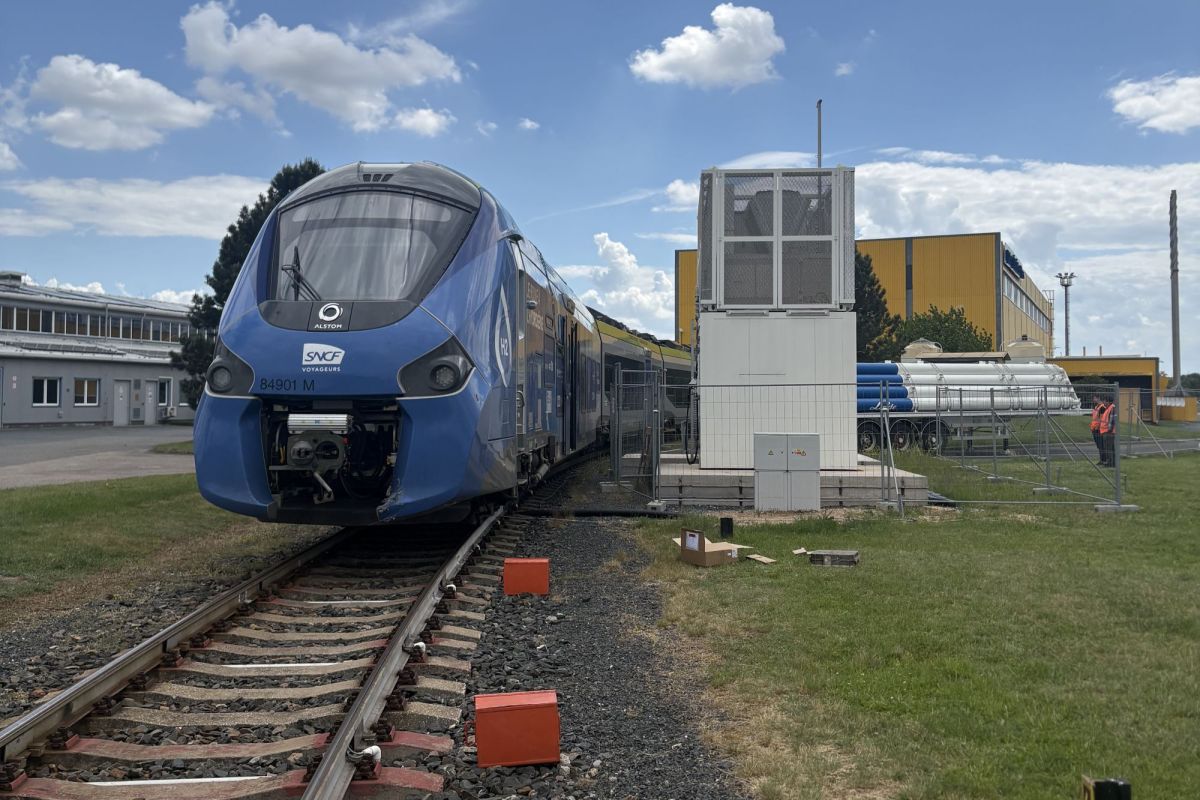
Each line’s traffic profile will influence the preferred traction technology. Options being studied include battery-electric multiple units (BEMU), hydrogen fuel cell trains, and tri-mode hybrids combining catenary, diesel, and battery operation. The use of biocombustibles or synthetic fuels is also under consideration, though these are not classified as zero-emission.
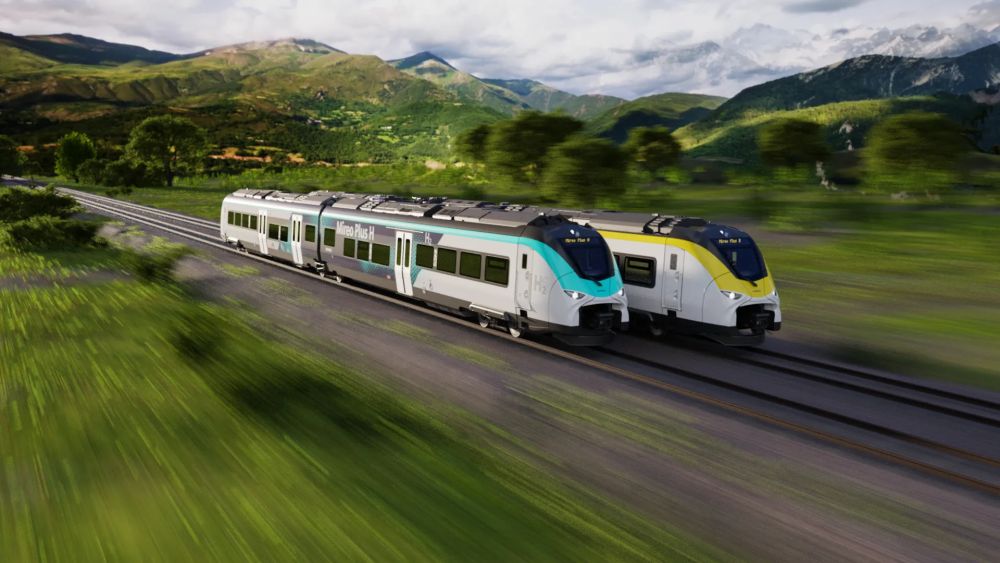
Several reference models from European manufacturers are cited:
- Alstom Coradia Continental BEMU: lithium-titanate batteries, 120 km range
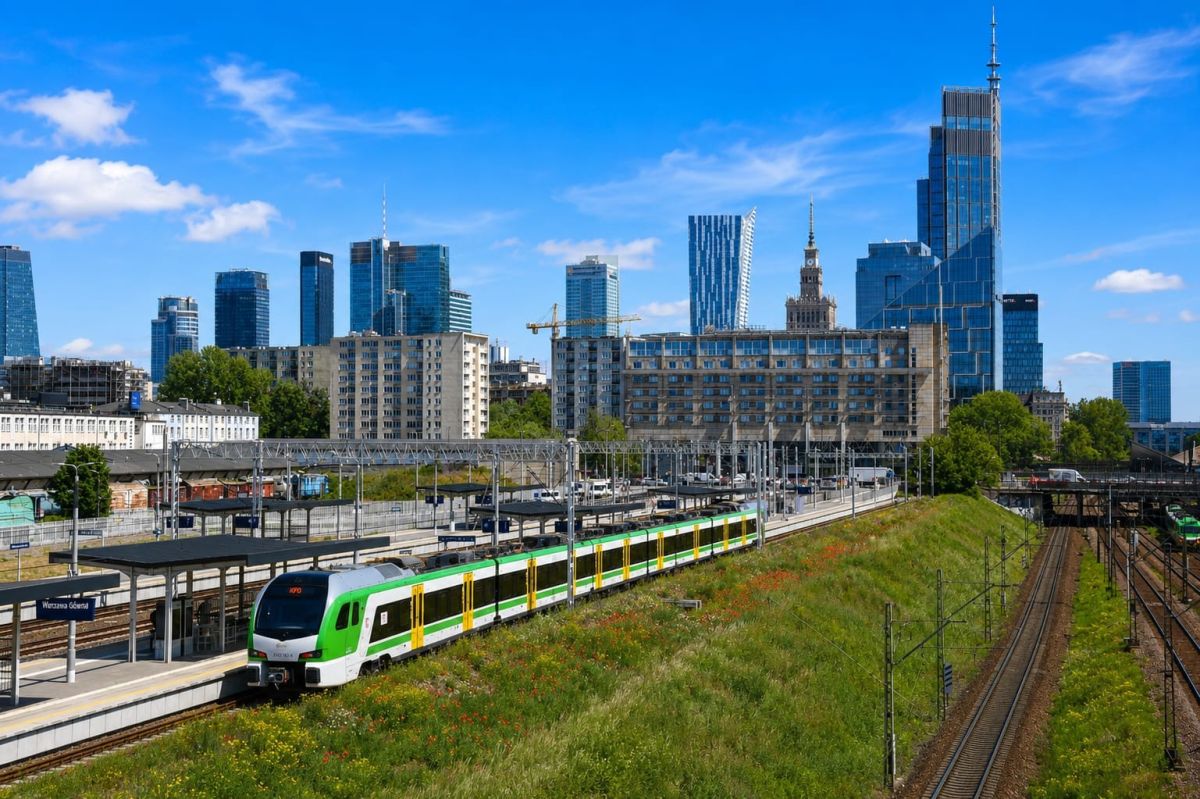
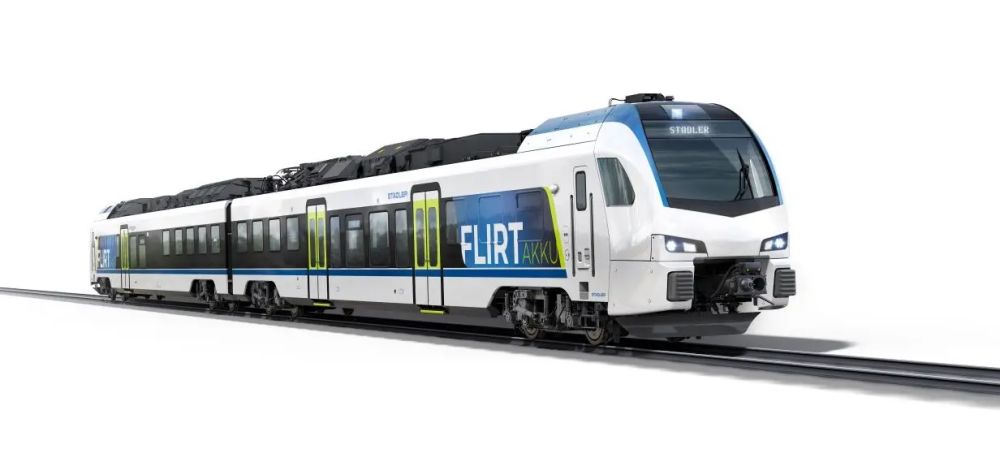
- Stadler FLIRT Akku: lithium-ion powered, tri-mode variants in service in Germany, Switzerland, and the Netherlands
- Hitachi Masaccio/Blues: hybrid battery-diesel-catenary trains introduced in Italy
- Siemens Mireo Plus B: regional BEMU with fast charging infrastructure
- CAF FCH2Rail: hydrogen-battery hybrid tested in Spain and Portugal
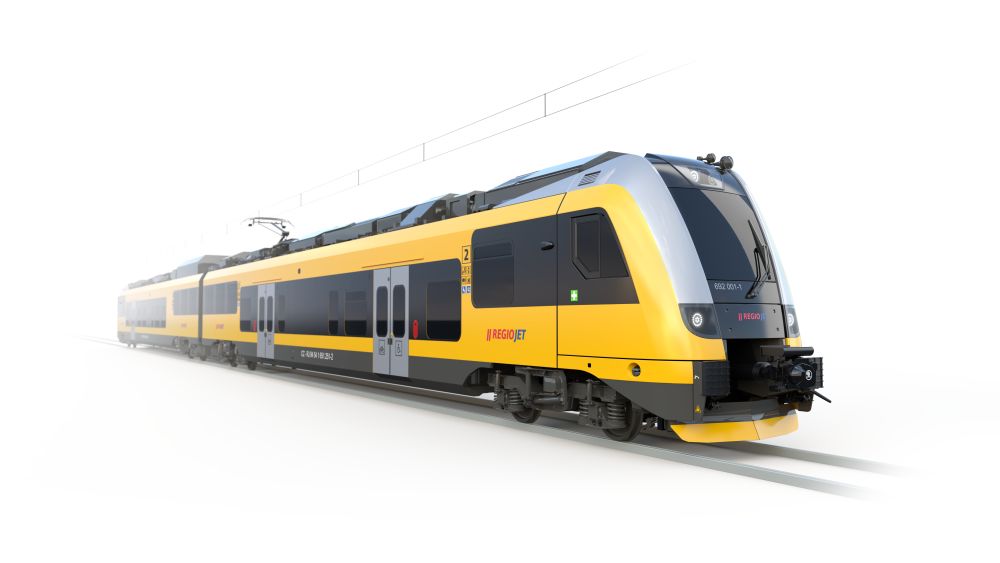
- Škoda diesel-battery hybrids
Currently, 57.5% of Spain’s rail network is electrified (6,719 km out of 11,672 km), with the remainder operated by diesel traction. The lines targeted in the consultation are all on the non-electrified network, where traffic levels and infrastructure constraints limit the feasibility of conventional electrification.
Information collected through the consultation will support technology selection and financial planning as part of Spain’s broader strategy to reduce diesel use and support the EU’s decarbonisation objectives.