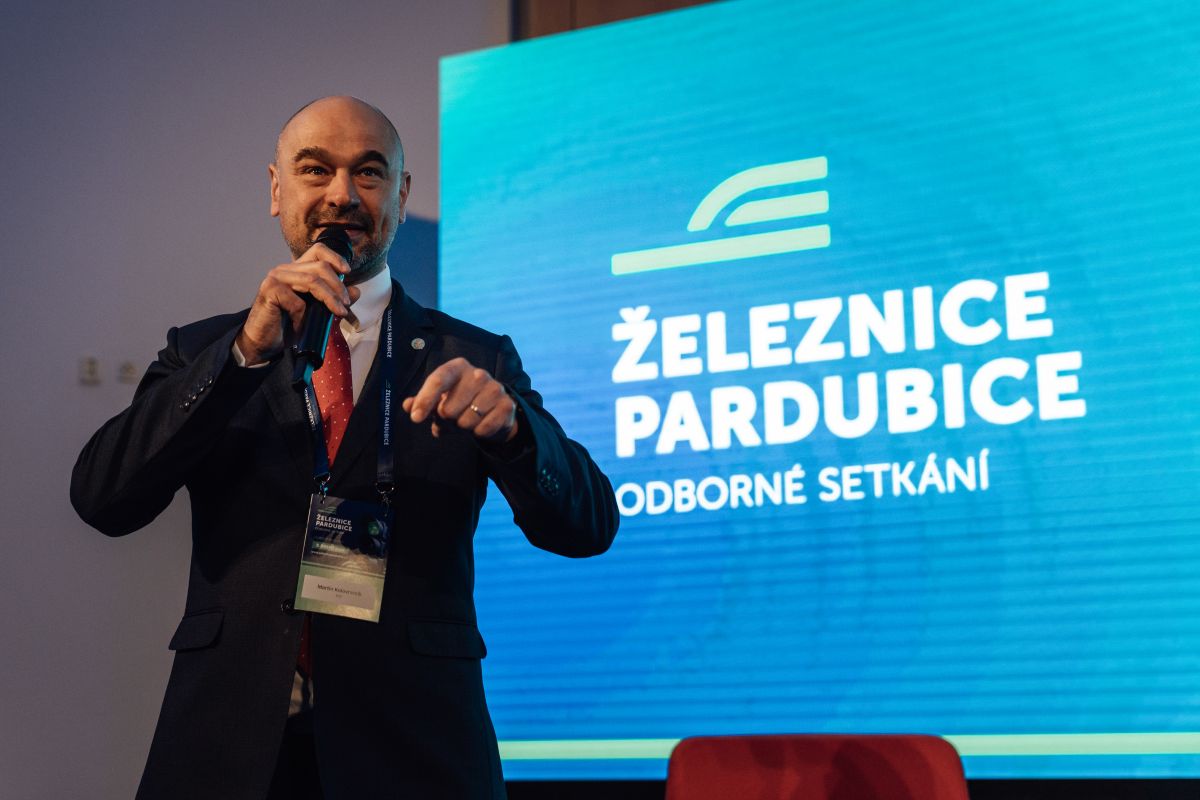
RM: For a long time, if a project was ready, funding would be found. Today, there is increasing talk about prioritisation. Is this a turning point for transport?
Martin Kolovratník: Yes, it is a fundamental change. Not because the state wants to invest less, but because we now have more prepared projects than ever before across the entire transport sector.
We are no longer asking whether to build, but what to build first – and which projects bring the greatest benefit to the system.
RM: Does this also mean a change in how the system is managed?
Martin Kolovratník: Yes, alongside investments we are now looking more inward. It’s about how we prepare projects, how we run tenders and how management is structured.
Every euro we save in processes can be reinvested into infrastructure. Transport has long benefited from stable funding, which is an advantage, but it also reduced the pressure for change. Now, efficiency becomes just as important as investment.
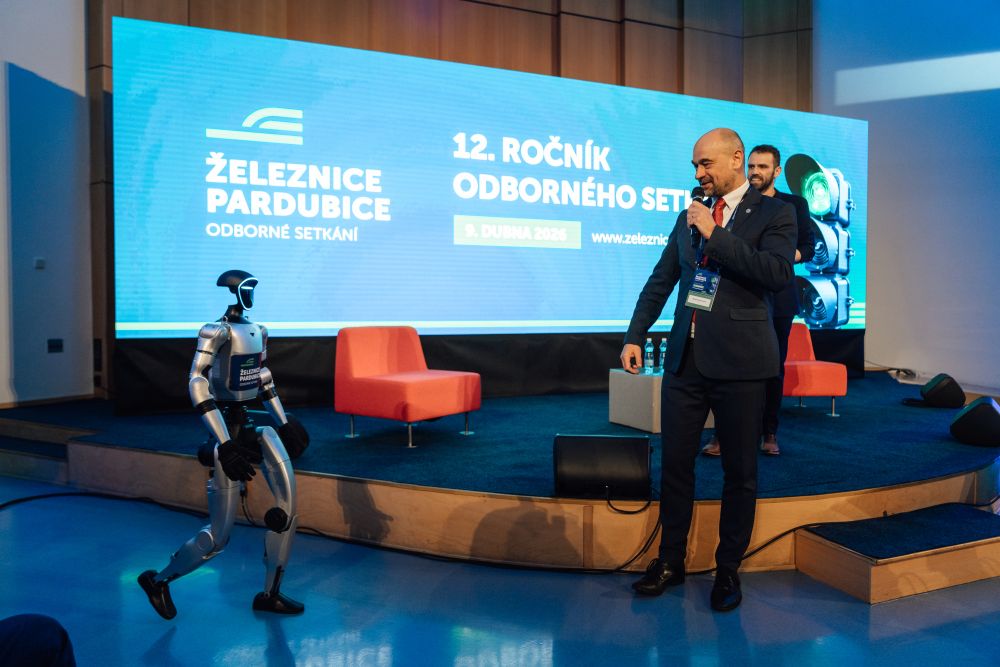
RM: Is the current rail network reaching its limits without new infrastructure?
Martin Kolovratník: In some sections, we are already seeing it. The same tracks have to handle long-distance, regional and freight transport, which limits capacity and makes operations more complex.
In practice, this means it is harder to add new services, regularity declines and the system becomes more sensitive to disruptions.
RM: High-speed lines are often presented as a way to reduce travel times. Is that their main benefit?
Martin Kolovratník: Speed is only part of the story. The main benefit is systemic.
By moving long-distance transport onto new infrastructure, we free up capacity on existing lines. That creates space for regional services and freight. In key sections, this could mean dozens of additional freight trains per day.
It also improves resilience. In case of disruptions, alternative routes are available. So it’s not just about speed, but about making the entire railway more stable and capable of handling higher volumes.
RM: Does this mean decisions will increasingly focus on the order of projects?
Martin Kolovratník: Yes, but that is not unusual. We are simply moving into a phase that is standard in other countries.
Large infrastructure programmes are built gradually, depending on readiness and financial capacity. The key is that each project makes sense on its own and fits into the overall system.
Rather than waiting for one major project, we need to build a functional network step by step.
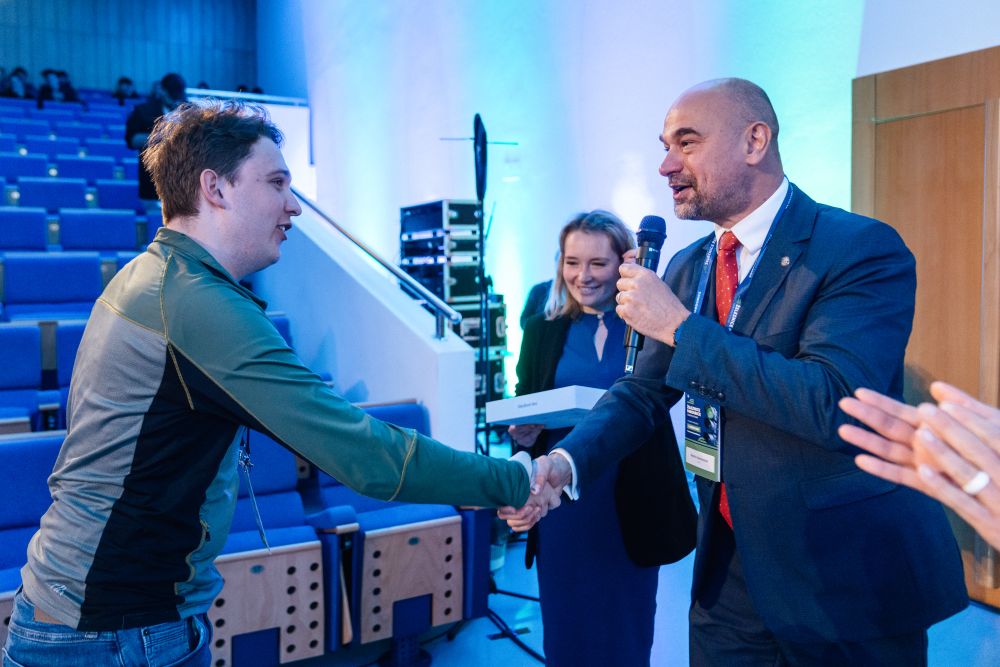
RM: The conference also brought together a large number of students. What did their questions reveal?
Martin Kolovratník: They think very practically. They are interested in what they will actually do, what technologies are used and what their future looks like.
That’s a good sign, because it shows real interest in the sector. But it is also a signal for us – we must be able to present a clear perspective.
We need to show that transport is not just a traditional sector, but one shaped by digitalisation, automation and new energy solutions. And we need to engage with young people earlier, because competition for technical talent is very strong.
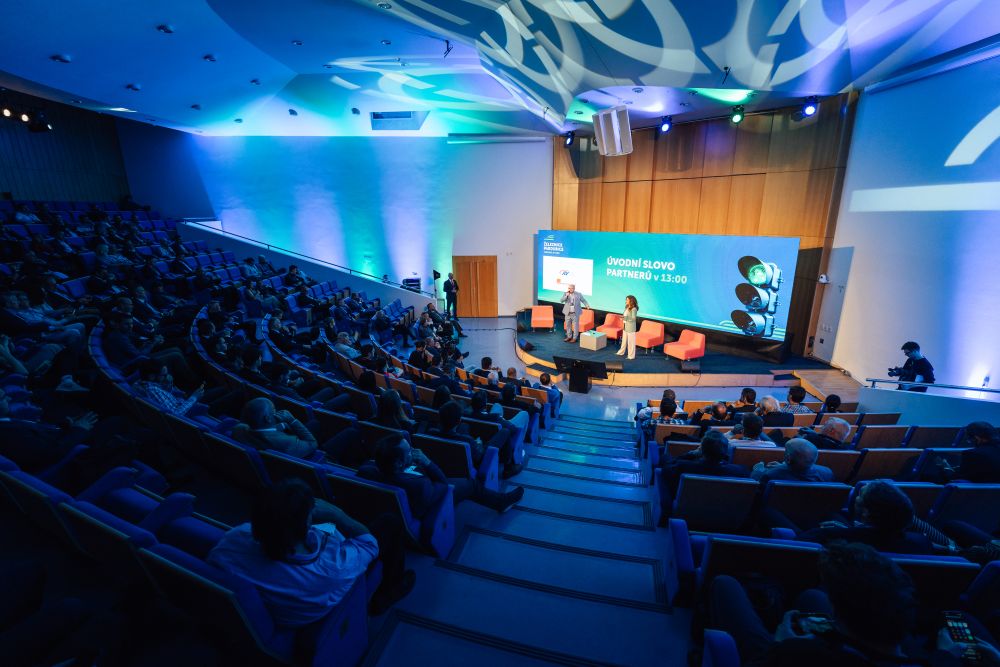
RM: Finally, when will it be possible to travel from Prague to Ostrava in two hours?
Martin Kolovratník: This is not about a single project or a single decision. It depends on a combination of high-speed line sections that need to be developed step by step.
The important thing is that we have moved from planning to preparation. Project documentation is being developed, field surveys are underway and land acquisition is being prepared.
Construction will then follow in stages, in line with readiness and financial possibilities. This gradual approach is the only realistic way to achieve these ambitions.