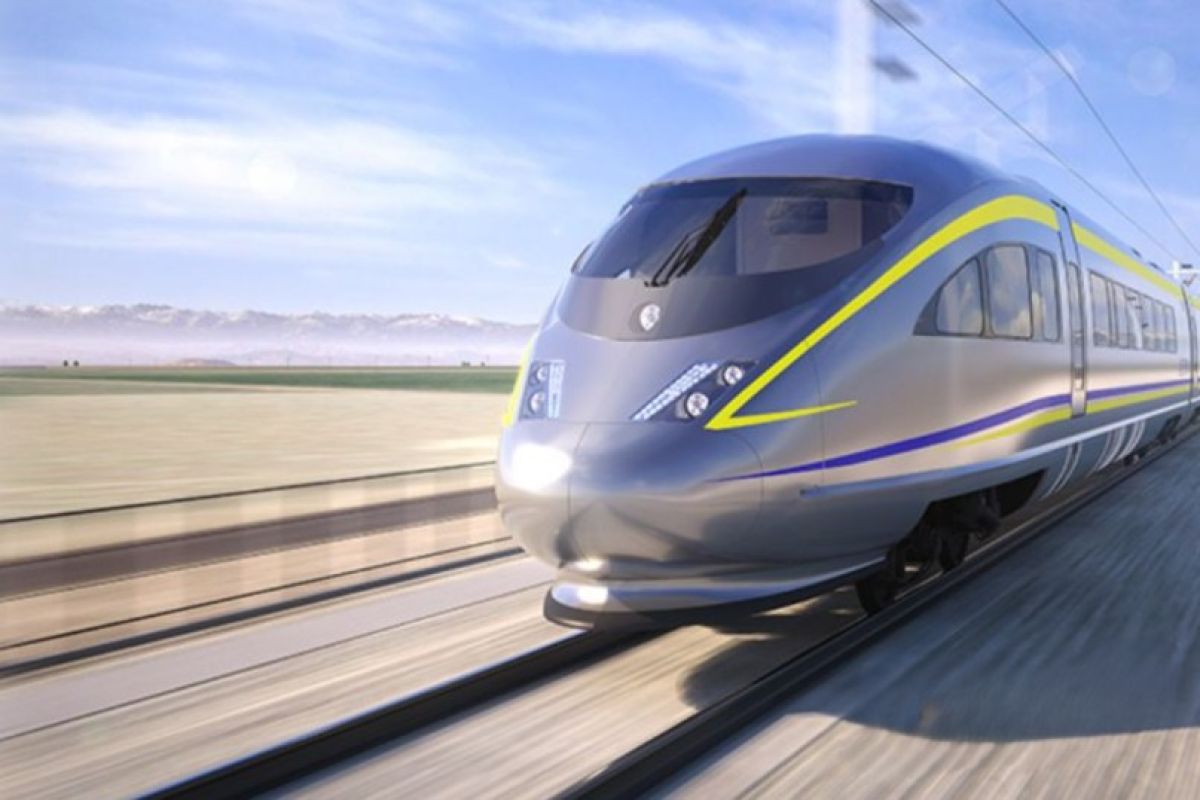
China's Maglev Hyperloop, named T-Flight, recently set a new world speed record for trains, reaching speeds of 623 km/h during a test on a specially built track in Shanxi, northern China. This achievement surpasses the previous record held by Japan's SCMaglev L0 series, which topped out at 603 km/h. The record-setting test is part of a plan by the China Aerospace Science and Industry Corporation (CASIC) to develop a train capable of surpassing the speed of commercial aircraft, with future tests aiming to reach speeds of up to 1,000 km/h on a planned 60 km track extension.
The T-Flight utilizes cutting-edge hyperloop technology, with capsules that float through a sealed vacuum tunnel using magnetic levitation, eliminating air resistance and friction. This technology enables the incredibly high speeds achieved during testing. The precision required for the infrastructure is high, with the test track needing to be perfectly flat to a tolerance of just 0.3mm, and the tunnel geometry accurate to within 2mm.
Looking to the future, CASIC has even greater ambitions. They envision a line that could connect Wuhan and Beijing, potentially allowing speeds of up to 2,000 km/h, making the maglev train faster than a passenger jet. This development signals a significant leap forward in rail technology and positions China at the forefront of high-speed rail innovation. The project is in line with CASIC's robust financial backing and the support of the Chinese government, which is overcoming traditional barriers such as land acquisition and environmental concerns to realize these transformative transport technologies.