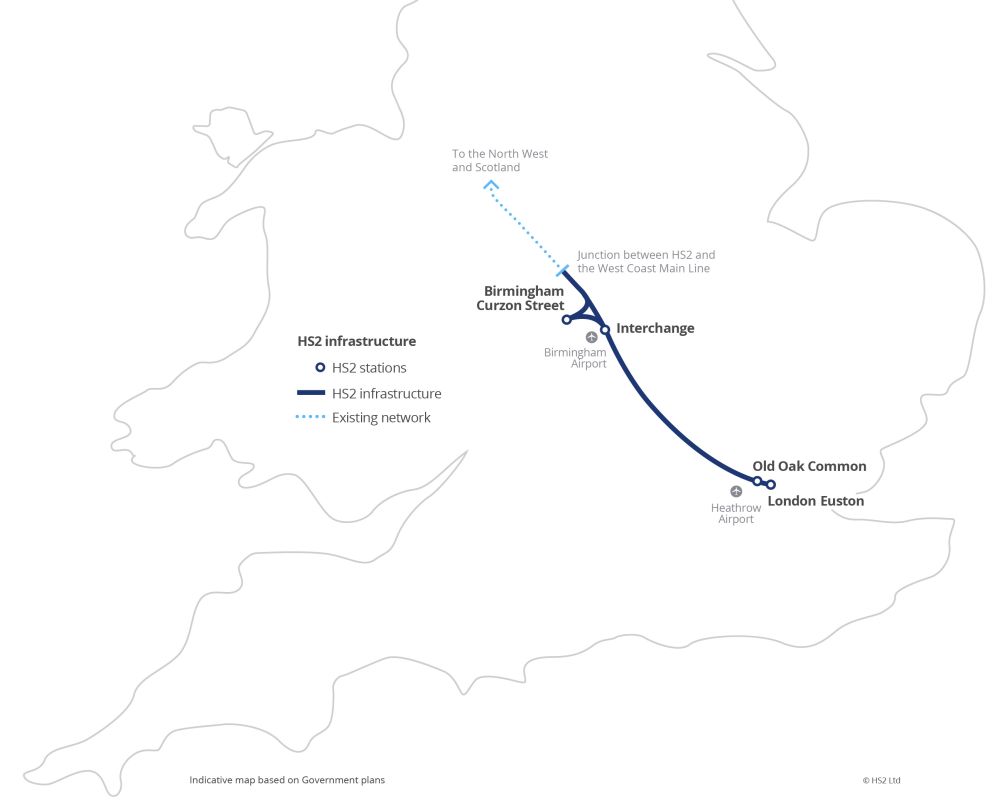
The UK government has reset the budget for High Speed Two (HS2) to EUR 102–120bn (GBP 87.7–102.7bn) and scheduled first operations between Old Oak Common and Birmingham Curzon Street for 2036–2039.
Completion of the full Phase One route from London Euston to Birmingham, including the connection to the West Coast Main Line, is now planned for 2040–2043. According to the Department for Transport (DfT), around two thirds of the cost increase reflects omissions from the original scope, earlier underestimation and delivery inefficiencies, with the remaining third linked to inflation.
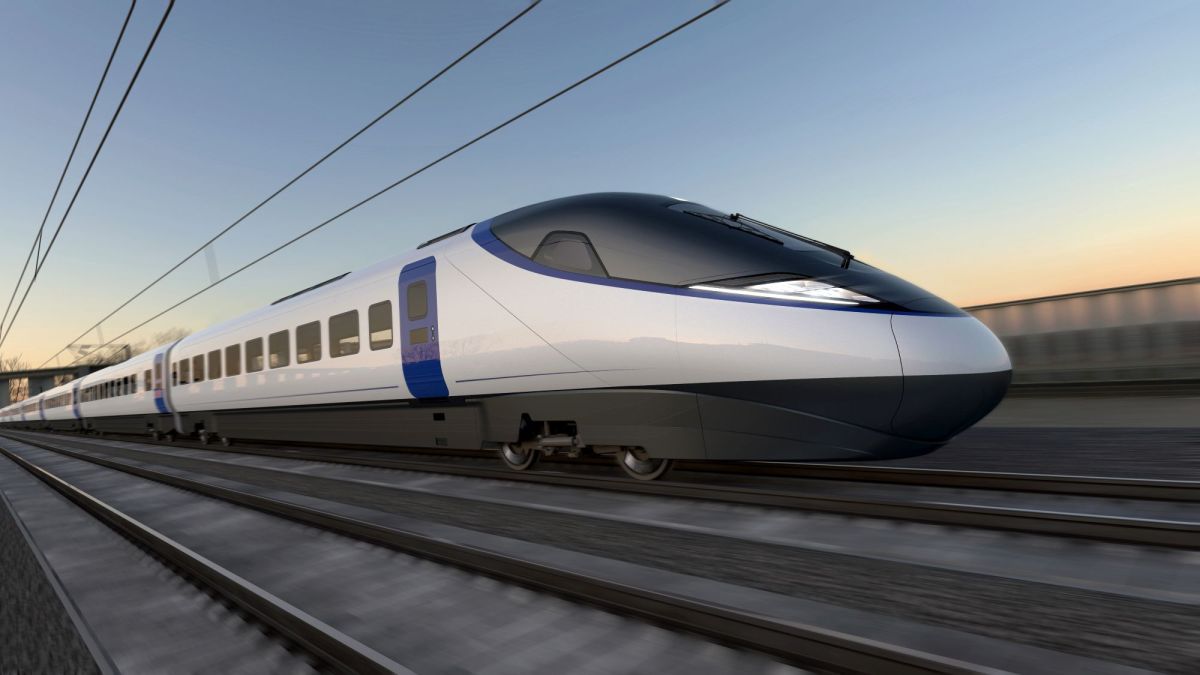
HS2 trains will operate at a maximum speed of 320 km/h, replacing the previous 360 km/h specification. The DfT estimates the lower design speed could reduce costs by up to EUR 2.9bn (GBP 2.5bn) and shorten delivery by at least one year, while maintaining a journey time saving of around 30 minutes between London and Birmingham.
HS2 Ltd’s leadership team, headed by chief executive Mark Wild and chair Mike Brown, has implemented a revised delivery structure. Over the past 12 months, six major construction milestones have been completed ahead of schedule, including breakthrough of the 3.5-mile Bromford Tunnel in Birmingham and bridge works over the A46 and near Calvert in Buckinghamshire. The company has also removed 300 back-office roles and reviewed existing contracts.
An internal assessment cited by the government concluded that cancelling HS2 could cost as much as completing it. Once operational, the line is intended to double peak long-distance fast capacity between London and the West Midlands and release paths on the West Coast Main Line.
The revised programme remains funded within the DfT’s current Spending Review settlement, with funding beyond 2029–30 subject to future reviews. To date, more than 6,100 contracts have been awarded to UK businesses, with over half going to small and medium-sized enterprises.