The Comisión Nacional de los Mercados y la Competencia (CNMC), Spain’s competition authority, has expressed its support for the Ministry of Transport's initiative to liberalise the country's commuter, medium-distance, and narrow-gauge rail services. This move aims to introduce competitive bidding for services currently monopolised by Renfe Viajeros.
In 2023, nearly 500 million passengers used these public rail services, all provided by Renfe Viajeros without prior competitive tendering. The current setup in Spain stands in contrast to other European nations like Germany or Czechia, where competitive bidding for such services is more common.
The contract between the Ministry of Transport and Renfe Viajeros mandates that at least 3% of the contract's value be competitively tendered, allowing new service providers to begin operations by 1 January 2026. This initial tender aims to gauge the interest of railway companies and gain experience in designing complex tender processes.
The CNMC emphasizes the importance of a phased liberalisation to mitigate risks. They recommend publishing a timetable to provide transparency to the sector about the pace of liberalisation. The draft Order regulates competitive tenders for public services managed by the General State Administration. However, Regulation 1370/2007, which mandates competitive tendering for public services except in specific cases, also applies to regional authorities.
To ensure fair competition, the CNMC advocates for measures that promote competitive bidding as the standard procedure, rather than direct awards. When public administrations consider direct awards, the CNMC will evaluate if these decisions comply with European Commission guidelines. The CNMC also recommends that public tender documents be subject to its review to ensure they contain all necessary information for participating companies and to neutralize any competitive advantage held by the incumbent operator.
EL ECONOMISTA reports: Battle for Commuter and Medium-Distance Trains
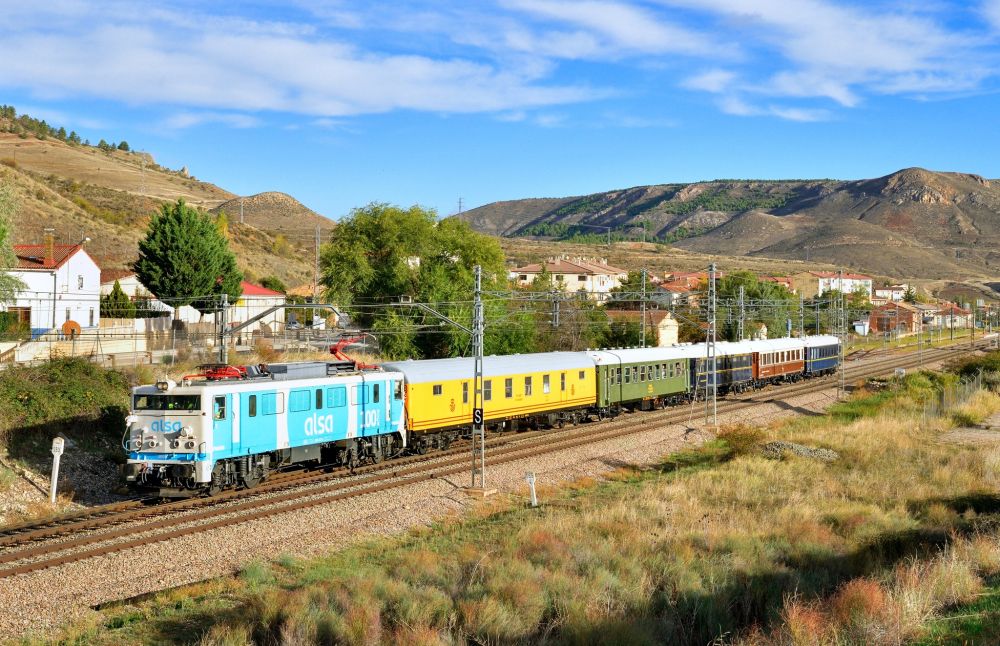
The CNMC's green light for the Ministry of Transport to commence the liberalisation process means that, following the tender, successful bidders are expected to start operating these lines from 2026, breaking Renfe's current monopoly. Early interest is high, with companies like Renfe, Alsa, and the multinational Arriva expressing their intent to participate, El Economista reports.
Arriva, recently acquired by the US fund I Squared, has shown keen interest in the liberalisation process, aiming to expand its operations in Spain. The European Union requires states to tender public service obligations (PSOs) by 2023. Spain’s Ministry of Transport has assigned Renfe to provide these services nationwide, except in Catalonia, from 2018 to 2027, with an option to extend until 2033.
Alsa, another major player in the bus market, has also been preparing to enter the railway market, along with French operator SNCF, which is eyeing opportunities in regions like Catalonia.
In April, the Spanish government initiated the process of liberalising commuter and medium-distance trains. The CNMC’s endorsement of this move aligns with broader European trends where several countries have already begun liberalising their rail services, offering multiple contracts for competitive bidding.
The draft law for this liberalisation suggests extending Renfe's programme contract until 2033, a proposal the CNMC opposes, advocating instead for opening these services to competition. This liberalisation could significantly reshape Spain's railway market, attracting private companies to bid for lucrative public service contracts and potentially enhancing service quality and efficiency for passengers across the country.