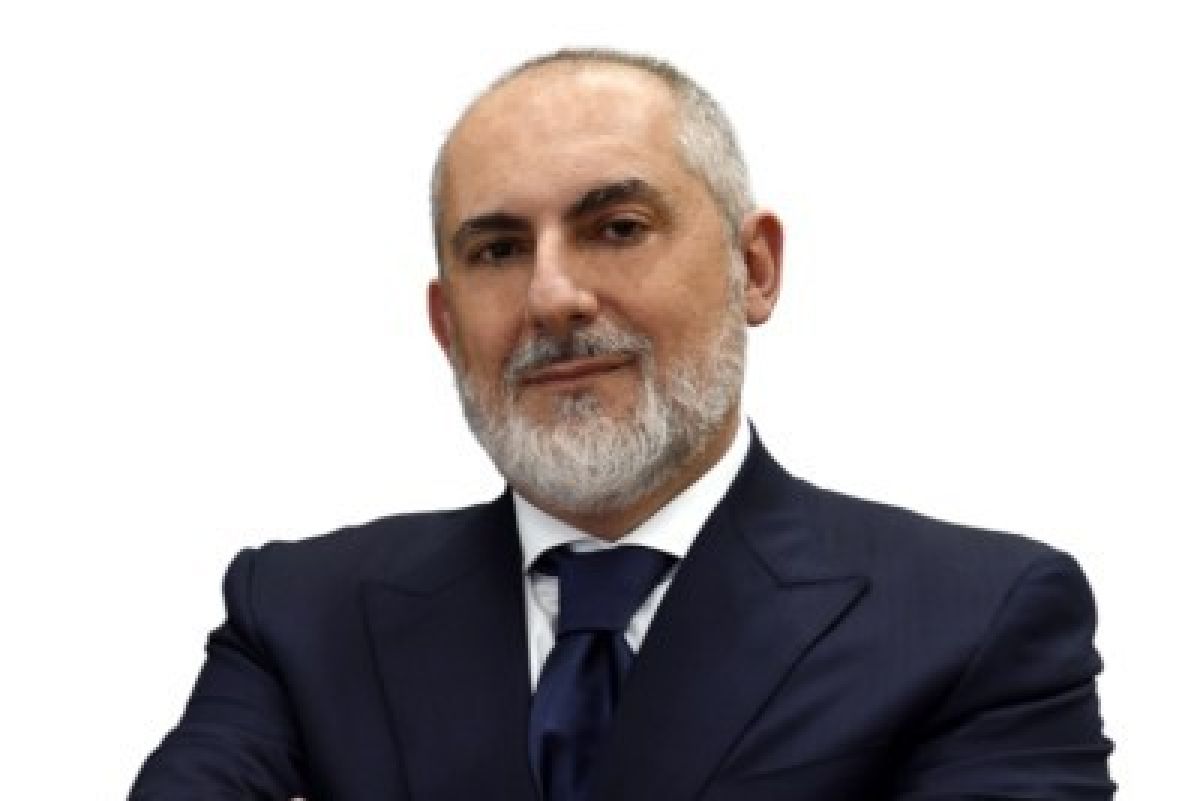
Ivan Bednárik, who recently took office as Czech Minister of Transport, wants to open a broader debate at EU level on the future of rail freight transport, warning that the sector is losing competitiveness across Europe. In an interview with the Czech News Agency, Bednárik argues that the current downturn in rail freight is not cyclical, but structural — and largely the result of misaligned European policies.
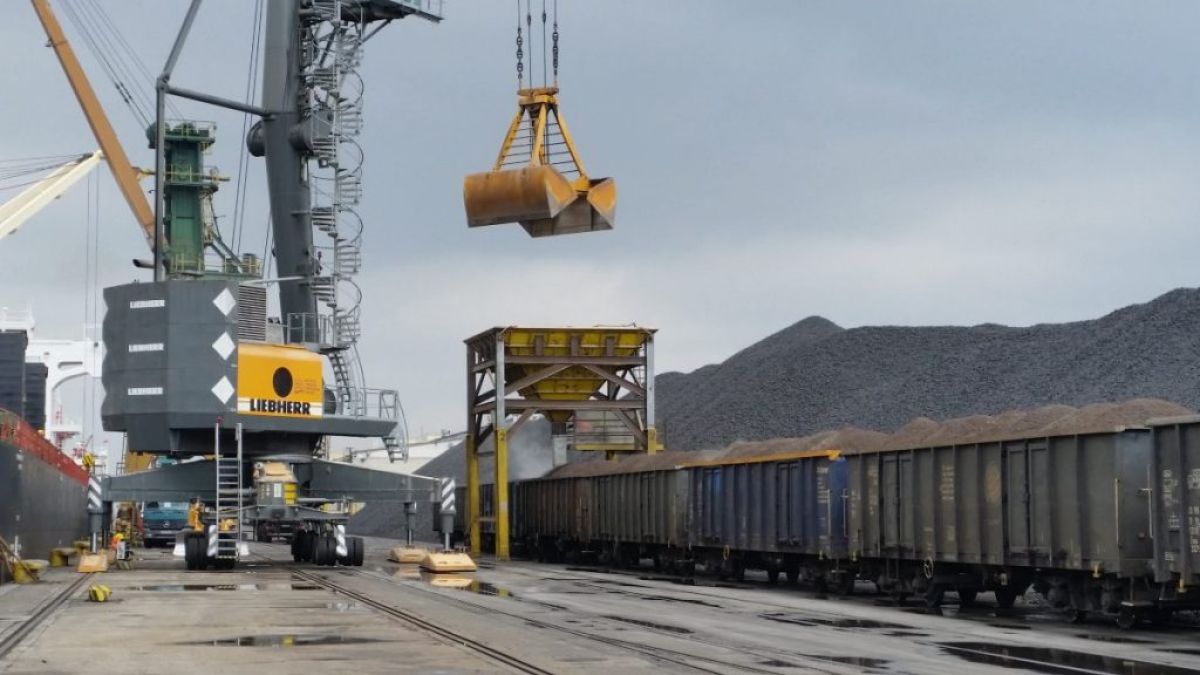
According to Bednárik, the price of traction electricity has become the single most critical issue for rail freight operators. He notes that electricity prices have risen sharply in recent years as part of the wider energy market crisis, directly increasing operating costs for railways. As a result, rail freight is becoming more expensive than road transport, even though trucking is less efficient both environmentally and physically.
“From a physical and ecological perspective, road transport is clearly inferior,” Bednárik said. “Yet in price terms, it is often cheaper than rail.”
Distorted competition with road transport
Bednárik also highlights unequal enforcement of rules as another factor undermining rail’s competitiveness. While rail freight operators must strictly comply with maximum axle loads and train weights, overloaded trucks continue to appear on European roads, particularly in Central and Eastern Europe.
This creates what Bednárik describes as a structural imbalance: rail operators face higher energy costs and stricter regulation, while road transport benefits from lower effective costs and weaker enforcement.
Different realities across Europe
The Czech minister points out that attitudes toward transport sustainability vary significantly across Europe. In Alpine countries, environmental considerations are more deeply embedded in corporate decision-making, which helps rail retain a stronger market position. In Central Europe, however, transport decisions remain heavily driven by price.
According to Bednárik, EU transport policy has failed to reflect these differences. “The European Union assumes that companies think the same way everywhere — but that is simply not the case,” he said. As a result, issues such as the price of traction electricity are not being addressed consistently across member states.
Rail freight profitability under pressure
Bednárik notes that today there is almost no large rail freight operator in Europe operating profitably, with the main exception being companies focused on container traffic linked to seaports. Much of Europe’s consumer goods are produced outside the EU, yet the carbon footprint of transporting these goods into Europe is rarely factored into policy decisions.
He argues that without targeted support, rail freight will continue to lose market share — despite EU climate goals.
Calling for an EU-wide response
Bednárik plans to raise the issue directly with his counterparts across Europe. “I need another 25 transport ministers to raise this topic and start addressing it,” he said, referring to the need for coordinated EU-level action.
He recalls that the EU’s Transport White Paper set a target to shift 30% of freight over 300 km from road to rail or waterways by 2030, and more than 50% by 2050. According to Bednárik, reality is moving in the opposite direction, with rail freight volumes declining in many countries.
Rail’s energy advantage
From a technical standpoint, Bednárik stresses that rail remains fundamentally more efficient in terms of physics and energy use. Most rail freight in Europe is electrically powered, while road transport continues to rely on fossil fuels. On electrified lines, rail does not require batteries or additional CO₂-intensive technologies.
In the Czech Republic, around 80% of rail traffic operates under electrification, a figure Bednárik cites as proof that rail already offers a low-emission solution — provided that energy pricing and policy frameworks do not undermine it.
Background: a minister from inside the rail sector
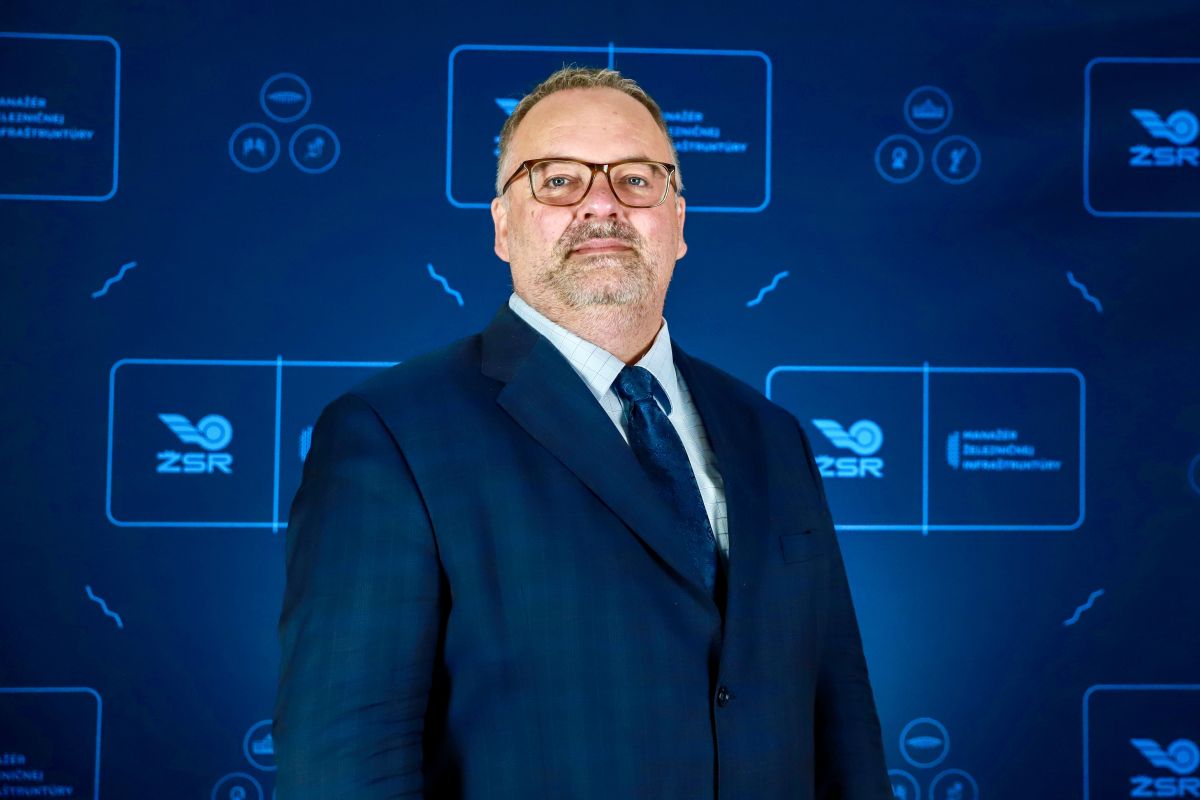
Unlike many transport ministers, Ivan Bednárik brings direct operational experience from the rail industry. Before entering government, he held senior roles at ČD Cargo, České dráhy (ČD) and most recently Železnice Slovenskej republiky (ŽSR), Slovakia’s rail infrastructure manager. His career spans freight operations, passenger rail and infrastructure management — giving him a rare cross-sector perspective.
His call for action reflects concerns long voiced by rail freight operators, now articulated from within government. Whether Bednárik can translate this into coordinated EU policy remains an open question — but the debate he is calling for is now firmly on the agenda.