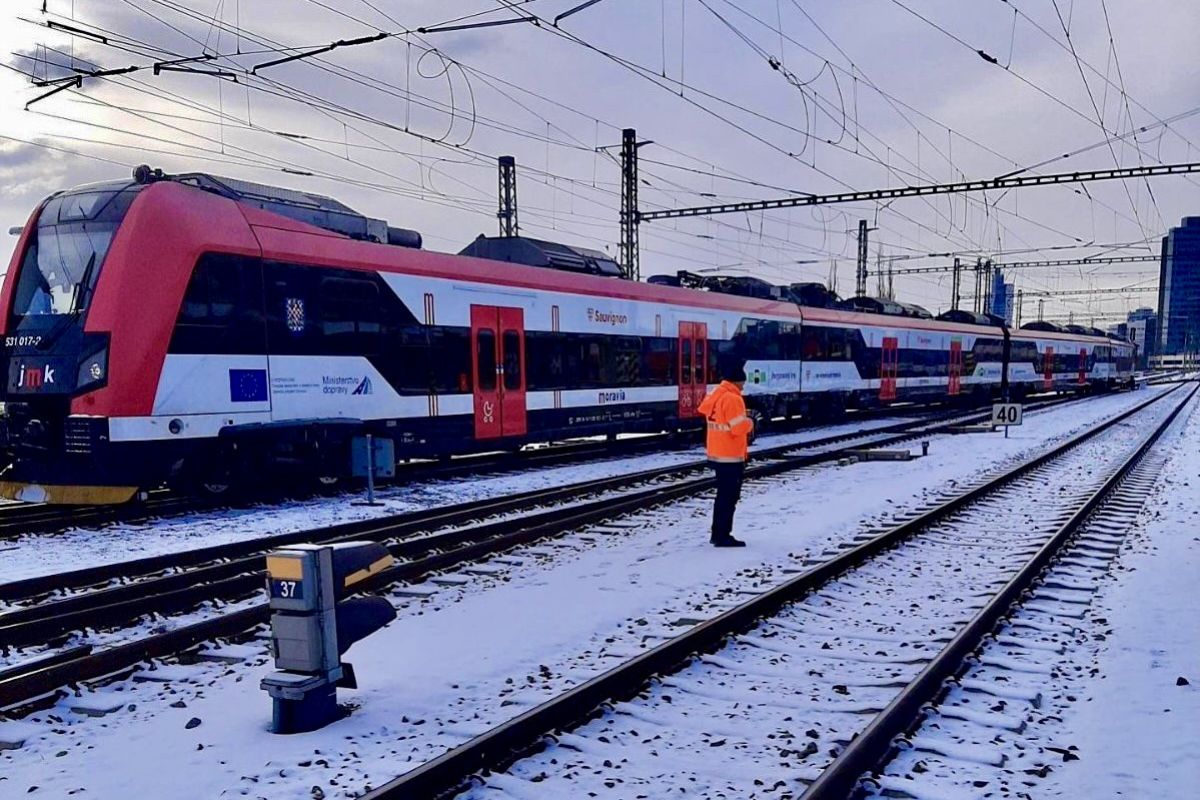
There have been significant disruptions to rail services in the Czech Republic due to severe icing conditions, with problems reported since the early morning. The most affected areas include lines around Prague, as well as parts of north-western and eastern Bohemia, where some services have been cancelled or are running only on shortened routes.
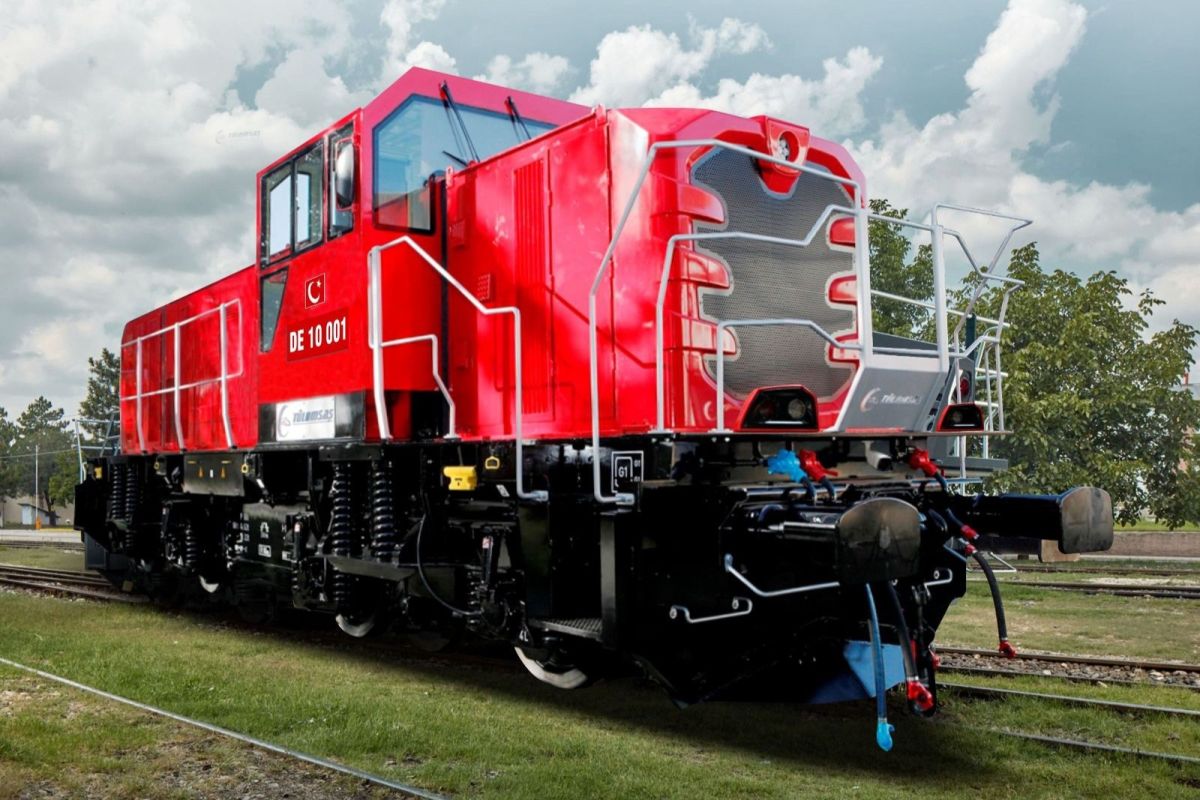
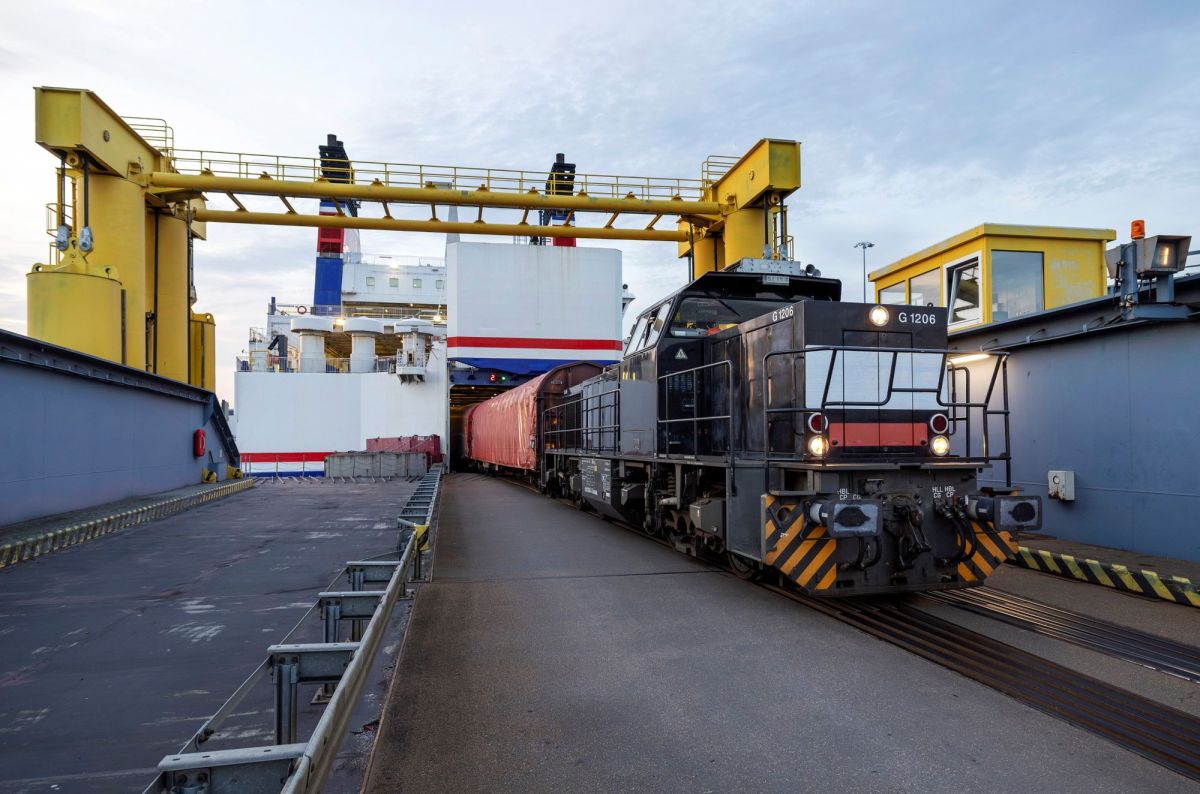
Icing on overhead lines and frozen switches has complicated operations at Prague South yard, a key facility for long-distance services. As a result, trainsets have had to be moved using diesel locomotives, leading to delays of tens of minutes on long-distance trains and the cancellation of some services. These disruptions have also affected rolling stock circulation, with knock-on effects on subsequent connections across the network.
Extreme weather conditions are also impacting international traffic. Due to icing-related damage to overhead equipment, rail services have been suspended on the cross-border section between Děčín and Bad Schandau, disrupting long-distance services between the Czech Republic and Germany, including trains on the Berlin corridor.
Meteorological services have issued icing warnings for large parts of the country, with the highest risk expected overnight and during the morning hours. In some regions, the warning remains in force until the afternoon, with a high danger level declared. Icing has already led to the cancellation of morning services on several key commuter routes, including connections between Prague and Kolín, Prague and Kralupy nad Vltavou, and selected services from Ústí nad Labem.
The disruption highlights the vulnerability of electrified rail operations to extreme winter weather. While infrastructure managers and operators have deployed emergency measures, including diesel assistance and temporary service reductions, the situation remains fluid and dependent on weather development. Rail operators warn that further delays and short-notice cancellations remain possible as long as icing persists.
Situation in neighbouring Austria
Similar weather conditions have also affected rail operations in neighbouring Austria, where freezing rain and ice buildup have caused local disruptions, particularly on electrified lines. According to ÖBB, icing on overhead lines and switches led to delays and operational restrictions on several regional and long-distance routes, especially during the morning peak.
As in the Czech Republic, Austrian rail operators have deployed contingency measures, including speed restrictions, selective service reductions and the use of diesel traction where necessary. The situation underlines the cross-border nature of weather-related rail disruptions in Central Europe, where electrified networks are particularly exposed to freezing rain events during winter conditions.